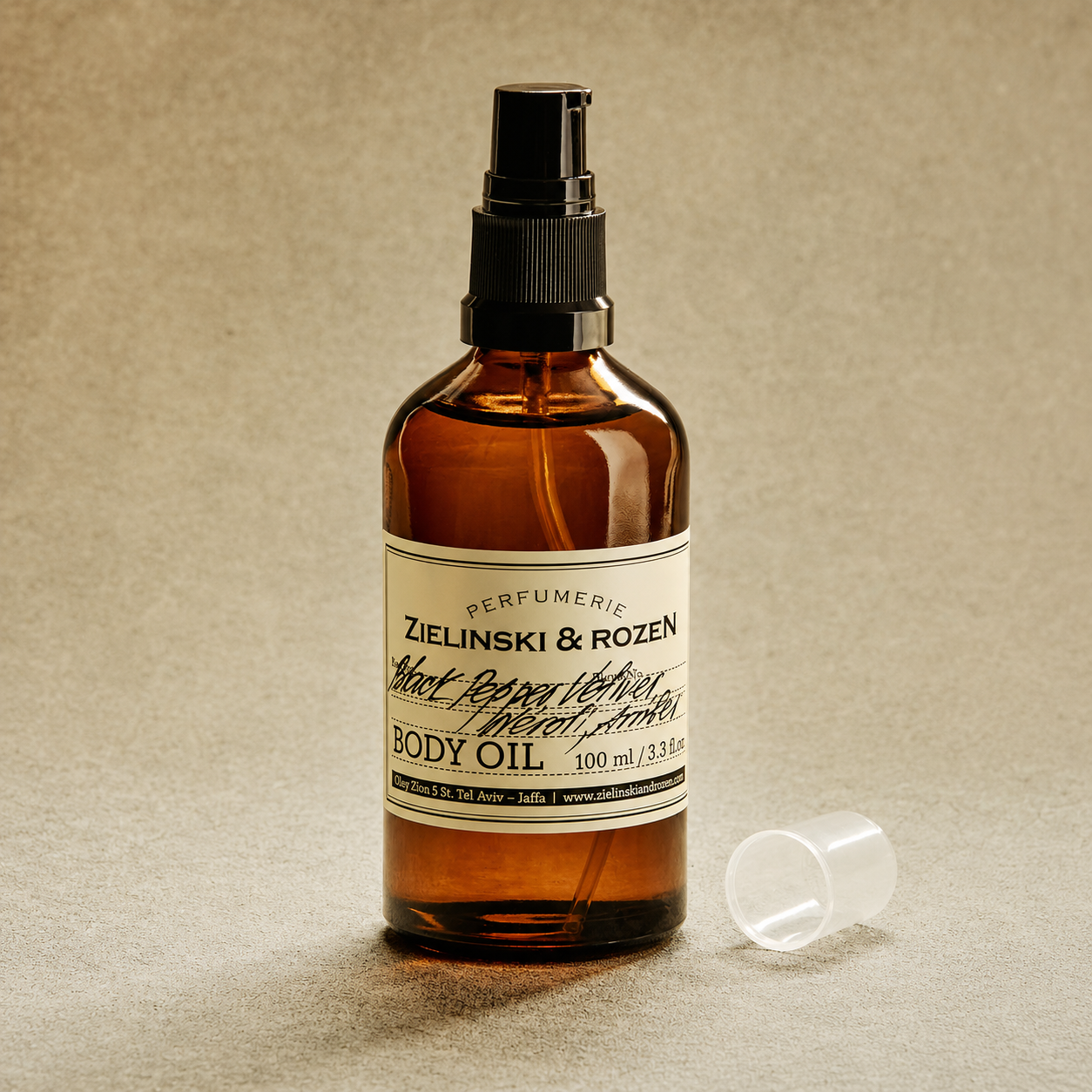

Body oil has become a popular part of many skincare routines because it helps support smooth, comfortable, and healthy-looking skin. Whether your skin feels dry after a shower, loses moisture during colder months, or simply needs extra care, body oil can provide lasting nourishment when used correctly.
Unlike many skincare products that focus only on the surface of the skin, body oil helps create a protective layer that reduces moisture loss and leaves the skin feeling soft and supple. With different formulations available for various skin types and concerns, body oil can be a valuable addition to an everyday skincare routine.
This guide explains what body oil is, how it works, how to choose the right one, and the best ways to apply it for healthier and softer-looking skin.
What Is Body Oil?
Body oil is a skincare product made from one or more oils designed to moisturise and protect the skin. It works by helping lock in hydration and improving the skin’s smoothness after cleansing or bathing.
Many body oils contain plant-derived oils, vitamins, and skin-conditioning ingredients that help maintain the skin’s natural moisture barrier. While body oil adds nourishment, it works best when applied to slightly damp skin to help retain existing moisture.
How Body Oil Supports Healthy-Looking Skin
Healthy skin depends on maintaining adequate moisture and a strong protective barrier. Everyday activities such as showering, exposure to wind, sun, air conditioning, and changing weather conditions can reduce the skin’s moisture levels.
Body oil supports healthier-looking skin by:
- Helping reduce moisture loss
- Leaving the skin feeling smoother
- Supporting the skin’s protective barrier
- Improving the appearance of dry areas
- Enhancing skin comfort throughout the day
When used consistently, body oil can help maintain softer skin without making it feel heavy when applied appropriately.
Understanding How Body Oil Works
Body oil primarily acts as an occlusive skincare product. This means it forms a lightweight layer over the skin that helps prevent water from evaporating.
Instead of replacing moisture, body oil helps preserve the moisture already present in the skin. This is why many skincare professionals recommend applying it immediately after bathing when the skin is still slightly damp.
Using body oil in this way can maximise hydration while improving the skin’s overall texture.
Choosing the Right Body Oil for Your Skin Type
Different skin types have different skincare needs. Selecting a suitable body oil can improve comfort and help achieve better results.
Dry Skin
Dry skin often benefits from richer oils that provide longer-lasting nourishment and reduce feelings of tightness after washing.
Look for products that offer intensive moisture support without causing irritation.
Normal Skin
People with normal skin usually have greater flexibility when selecting body oil. Lightweight formulations often provide enough moisture while maintaining a comfortable finish.
Oily Skin
Although it may seem surprising, oily skin can also benefit from body oil. Lightweight oils that absorb quickly may help soften the skin without leaving an overly greasy feeling.
Applying only a small amount is often sufficient.
Sensitive Skin
Sensitive skin generally responds best to simple formulations with fewer ingredients. Choosing products designed for delicate skin may help minimise the chance of irritation.
Testing a small area before full application is always a sensible approach.
Best Time to Apply Body Oil
Timing plays an important role in getting the most from body oil.
After Showering
Applying body oil within a few minutes after bathing helps trap moisture inside the skin while it is still slightly damp.
This is widely considered the most effective application method.
Before Bed
Night-time application allows body oil to remain on the skin for several hours without interruption, supporting overnight skin comfort.
During Dry Weather
Cold temperatures, heating systems, and low humidity can contribute to dryness. Applying body oil during these periods may help maintain skin softness.
How to Apply Body Oil Properly
Correct application helps improve absorption while avoiding excessive product use.
Step 1: Pat Skin Dry
After showering, gently pat the skin with a towel instead of rubbing vigorously. Leave the skin slightly damp.
Step 2: Use a Small Amount
A little body oil often goes a long way. Begin with a small quantity and add more if necessary.
Step 3: Massage Gently
Use circular motions to spread the oil evenly across the skin. This helps ensure consistent coverage.
Step 4: Allow Time to Absorb
Wait several minutes before dressing so the oil has time to absorb into the skin.
Areas That Often Benefit Most
Some areas naturally become drier than others and may require extra attention.
Elbows
Frequent movement and thicker skin can make elbows rough over time.
Knees
Knees often experience dryness due to friction and daily movement.
Hands
Regular washing can reduce moisture, making hands feel rough.
Feet
Feet commonly develop dry patches because they experience constant pressure throughout the day.
Applying body oil to these areas regularly may help maintain smoother skin.
Common Ingredients Found in Body Oil
Different body oils contain different ingredients depending on their intended purpose.
Common ingredients may include:
- Plant-derived oils
- Vitamin-rich oils
- Lightweight moisturising oils
- Antioxidant-containing oils
- Skin-conditioning ingredients
Reading ingredient labels helps you understand what each formulation offers and whether it suits your skin’s needs.
Common Mistakes to Avoid
Using body oil correctly helps maximise its effectiveness.
Applying Too Much
Using excessive amounts can leave the skin feeling greasy without providing additional benefits.
Applying to Completely Dry Skin
Body oil works best when applied while the skin remains slightly damp after washing.
Ignoring Patch Testing
Even gentle skincare products can affect sensitive individuals differently. Testing on a small area first helps reduce unexpected reactions.
Using Inconsistently
Occasional use may provide temporary softness, but regular application generally produces better long-term results.
Combining Body Oil with Your Skincare Routine
Body oil works well alongside other skincare products.
Many people use it after cleansing and before getting dressed. Others combine it with body lotion depending on seasonal dryness and personal preference.
Keeping a consistent routine that includes gentle cleansing, regular moisturising, sun protection, and body oil when needed can contribute to healthier-looking skin throughout the year.
See also: Best Business Flights to Delhi for Comfortable Luxury Travel
Seasonal Tips for Using Body Oil
Skin requirements often change with the seasons.
Winter
Lower humidity and indoor heating may increase dryness. Regular body oil application can help maintain moisture.
Summer
Lightweight body oils may provide comfortable hydration without feeling overly heavy during warmer weather.
Spring and Autumn
Changing temperatures may affect skin differently from week to week. Adjusting the amount of body oil used can help maintain balance.
Signs Your Skin May Need Extra Moisture
Certain changes may indicate that your skin would benefit from additional hydration.
Common signs include:
- Rough texture
- Tight feeling after bathing
- Flaky patches
- Dull appearance
- Areas that feel less smooth than usual
Recognising these signs early allows you to adjust your skincare routine before dryness becomes more noticeable.
Building a Consistent Body Care Routine
Healthy-looking skin is usually the result of consistent care rather than occasional treatments.
A simple routine may include:
- Cleansing with a gentle body wash
- Patting the skin dry after bathing
- Applying body oil while the skin remains damp
- Paying extra attention to naturally dry areas
- Maintaining adequate water intake
- Protecting exposed skin from environmental stress
Following these habits regularly can help support smoother, softer skin over time.
Conclusion
Body oil is a practical addition to a well-rounded skincare routine for anyone seeking healthier and softer-looking skin. By helping lock in moisture, supporting the skin’s natural barrier, and improving overall skin texture, it contributes to lasting comfort and a well-cared-for appearance.
Choosing a body oil suited to your skin type, applying it correctly after bathing, and using it consistently can make a noticeable difference in how your skin looks and feels. Combined with healthy daily skincare habits, body oil offers a simple yet effective way to maintain smooth, nourished, and comfortable skin throughout the year.