ByJohn A
What to Expect During a Roof Installation in Newcastle: Complete Guide Tips!
A roof is one of the most important investments for any property, providing protection against weather conditions, improving energy efficiency, and enhancing the overall appearance of a home. Whether you are building a new property, replacing an old roof, or upgrading your existing roofing system, understanding the installation process can help you prepare for the project.
A professional Roof Installation Newcastle project involves several important stages, from initial planning and material selection to final inspections and maintenance advice. Knowing what to expect allows homeowners to make informed decisions and ensures the process runs smoothly from start to finish.
This complete guide explains the key steps involved in roof installation, important factors to consider, and helpful tips for achieving a durable and long-lasting roofing system.
Why Professional Roof Installation Matters
A properly installed roof provides long-term protection and performance. Poor installation can lead to problems such as leaks, structural damage, poor ventilation, and premature roof failure.
Professional roofing installation ensures:
- Correct placement of roofing materials
- Proper waterproofing
- Effective ventilation
- Secure flashing installation
- Improved roof durability
- Compliance with safety standards
Investing in professional Roof Installation Newcastle helps homeowners avoid costly repairs while ensuring their roof performs effectively for many years.
See also: Electronics Recycling Service: Why Responsible E-Waste Disposal Matters
Step 1: Initial Roof Assessment and Planning
Before installation begins, a detailed assessment is carried out to understand the requirements of the project.
Roofing professionals evaluate:
- Property structure
- Roof design
- Existing roofing condition
- Drainage requirements
- Ventilation needs
- Suitable roofing materials
This planning stage helps determine the best approach for the installation and ensures the new roof meets the specific needs of the property.
Step 2: Choosing the Right Roofing Materials
Selecting the correct roofing material is a major part of the installation process.
Different materials provide different benefits in terms of durability, appearance, maintenance, and cost.
Common roofing options include:
- Roof tiles
- Metal roofing
- Slate roofing
- Color-coated steel roofing
- Modern composite materials
Factors to consider when choosing roofing materials include:
- Local weather conditions
- Expected lifespan
- Maintenance requirements
- Energy efficiency
- Property style
- Budget considerations
The right material choice contributes to a stronger and more reliable roofing system.
Step 3: Preparing the Installation Site
Before work begins, the property is prepared to ensure a safe and organized installation process.
Preparation may include:
- Protecting landscaping and outdoor areas
- Setting up safety equipment
- Arranging material delivery
- Creating safe access points
- Removing existing roofing if required
Proper preparation minimizes disruption and helps the installation team work efficiently.
Step 4: Removing the Existing Roof (If Required)
For roof replacement projects, the old roofing materials must be removed before the new system can be installed.
During removal, roofers carefully inspect the underlying structure for hidden problems.
They check for:
- Damaged roof decking
- Moisture issues
- Rotten timber
- Structural weaknesses
- Previous installation problems
Identifying these issues early ensures the new roof is installed on a strong and stable foundation.
Step 5: Installing Roof Support and Underlayment
After preparation, the next stage involves installing the protective layers beneath the roof surface.
The underlayment acts as an additional barrier against moisture and helps protect the structure from water penetration.
A quality underlayment installation improves:
- Waterproof protection
- Roof durability
- Resistance against weather conditions
- Overall roofing performance
This stage is essential for creating a reliable roofing system.
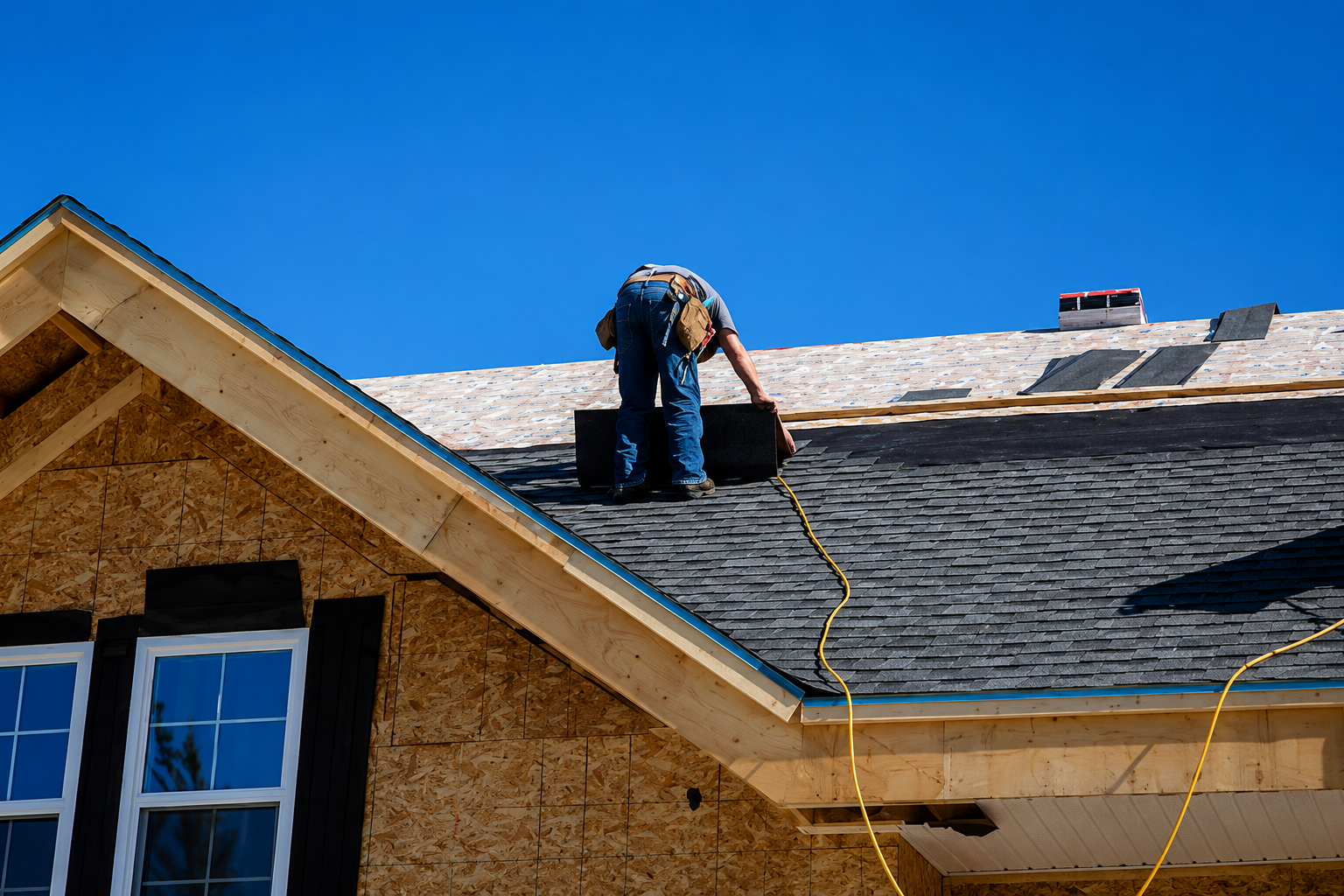
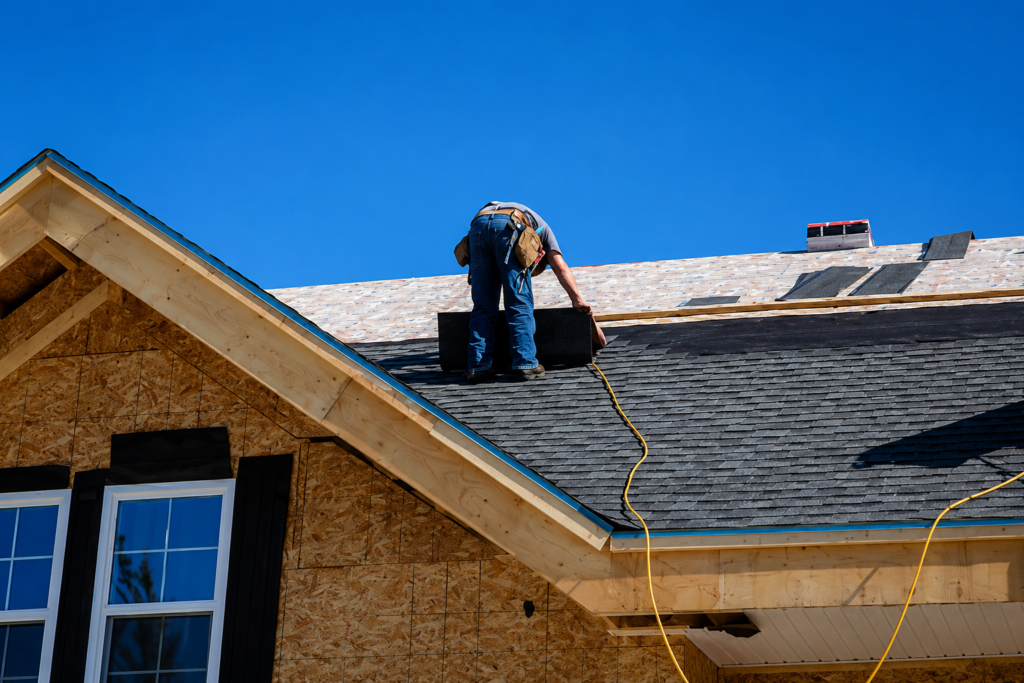
Step 6: Installing the New Roofing Materials
The main installation stage involves placing the chosen roofing materials onto the prepared structure.
Professional roofers carefully install each component, ensuring:
- Proper alignment
- Secure attachment
- Correct spacing
- Effective water drainage
- Strong weather resistance
Depending on the roofing system, this stage may include installing:
- Roof tiles
- Metal sheets
- Ridge caps
- Flashing
- Ventilation components
Quality workmanship during this stage directly affects the lifespan and performance of the roof.
Step 7: Installing Flashing and Roof Accessories
Flashing plays an important role in preventing water from entering vulnerable areas of the roof.
It is installed around areas such as:
- Chimneys
- Skylights
- Roof edges
- Vents
- Wall connections
Additional roof components, including gutters and ventilation systems, are also checked to ensure the complete roofing system works effectively.
Step 8: Final Inspection and Quality Check
Once installation is complete, a thorough inspection is carried out to ensure everything has been completed correctly.
The final check typically includes:
- Checking roof alignment
- Inspecting flashing
- Ensuring secure material placement
- Reviewing drainage systems
- Confirming proper ventilation
- Looking for installation defects
A detailed final inspection ensures the roof is ready to provide reliable protection.
How Long Does Roof Installation Take?
The duration of a roof installation project depends on several factors, including:
- Roof size
- Roofing material
- Weather conditions
- Complexity of the design
- Required preparation work
Smaller residential projects may be completed within a few days, while larger or more complex roofs may require additional time.
A professional roofing contractor can provide a more accurate timeline after assessing the property.
Common Mistakes to Avoid During Roof Installation
Proper planning helps homeowners avoid common roofing problems.
Some mistakes to avoid include:
- Choosing unsuitable roofing materials
- Hiring inexperienced contractors
- Ignoring ventilation requirements
- Delaying necessary repairs
- Focusing only on short-term costs
Quality installation is an investment that protects your property and reduces future maintenance expenses.
Tips for Maintaining Your New Roof
After completing a Roof Installation Newcastle project, regular maintenance helps maximize the lifespan of the new roof.
Useful maintenance tips include:
- Clean gutters regularly
- Remove leaves and debris
- Inspect the roof after storms
- Check for damaged materials
- Maintain proper ventilation
- Schedule professional inspections
Preventative maintenance allows homeowners to identify minor issues before they become major problems.
Benefits of Professional Roof Installation
Choosing experienced roofing professionals provides several advantages, including:
- Better installation quality
- Improved roof lifespan
- Reduced risk of leaks
- Enhanced property protection
- Compliance with safety requirements
- Greater peace of mind
A professionally installed roof provides reliable performance and helps protect your property investment for years.
Signs Your Roof Installation Was Completed Properly
A quality roof installation should provide:
- Evenly placed roofing materials
- Proper drainage
- Secure flashing
- No visible gaps
- Good ventilation
- A clean and finished appearance
If any issues appear soon after installation, contacting a roofing professional quickly can help prevent further complications.
Final Thoughts
Understanding what happens during a roof installation helps homeowners feel more prepared and confident throughout the project. From selecting the right materials and preparing the site to installing the roofing system and completing final inspections, every stage plays an important role in creating a durable and reliable roof.
A professional Roof Installation Newcastle service ensures your property receives the protection it needs while improving its value, appearance, and long-term performance. With proper planning, quality materials, and regular maintenance, a well-installed roof can provide dependable protection for many years.