ByJohn A
Electronics Recycling Service: Why Responsible E-Waste Disposal Matters
Electronic devices have become an essential part of everyday life. Homes, businesses, schools, healthcare facilities, and government organisations rely on computers, mobile phones, tablets, printers, televisions, servers, and other electronic equipment to perform daily tasks. As technology continues to evolve, older devices are replaced more frequently, leading to a growing volume of electronic waste, commonly known as e-waste.
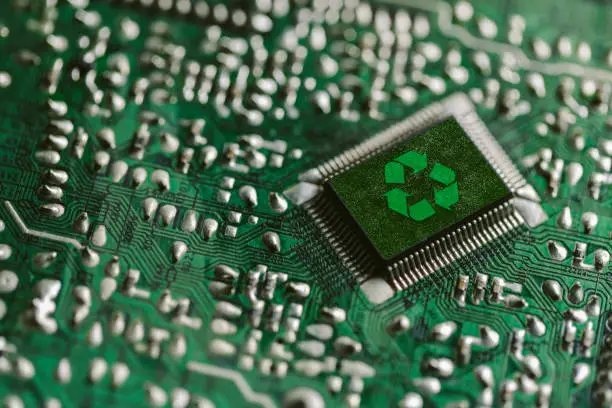
Improper disposal of electronic waste can create environmental, financial, and security risks. Many devices contain valuable materials that can be recovered, along with hazardous substances that require careful handling. An electronics recycling service provides a safe and responsible way to dispose of unwanted electronic equipment while protecting the environment and supporting the recovery of reusable resources.
This article explains why electronics recycling is important, how the recycling process works, and the benefits of choosing responsible e-waste disposal.
What Is an Electronics Recycling Service?
An electronics recycling service is a professional solution for collecting, processing, and recycling unwanted electronic devices. The goal is to recover reusable materials, safely manage hazardous components, and reduce the amount of electronic waste sent to landfill.
Electronic items commonly accepted for recycling include:
- Desktop computers
- Laptops
- Mobile phones
- Tablets
- Servers
- Hard drives
- Printers
- Computer monitors
- Networking equipment
- Keyboards and mice
- External storage devices
- Cables and accessories
Many recycling services also include secure data destruction for storage devices to ensure confidential information cannot be recovered.
See also: Hospital Flower Arrangements: Floral Ideas That Brighten Recovery Rooms
Why Responsible E-Waste Disposal Matters
Electronic waste is one of the fastest-growing waste streams worldwide. As devices become outdated or damaged, proper disposal becomes increasingly important.
Reducing Landfill Waste
When electronics are thrown into general waste, they often end up in landfill where valuable materials are lost.
Many devices contain recyclable metals, plastics, and glass that can be recovered and reused instead of being discarded.
Responsible recycling helps reduce landfill waste while extending the life of valuable resources.
Protecting the Environment
Electronic devices may contain substances that require specialised handling during disposal.
Improper disposal can contribute to soil, water, and air pollution if hazardous materials are released into the environment.
Professional recycling helps ensure these materials are safely managed according to appropriate environmental practices.
Conserving Natural Resources
Electronic devices contain materials that require significant energy and natural resources to produce.
These may include:
- Copper
- Aluminium
- Steel
- Gold
- Silver
- Plastic
- Glass
Recovering these materials through recycling reduces the demand for newly extracted raw materials.
The Importance of Secure Data Protection
Many electronic devices store sensitive personal or business information.
Simply deleting files or resetting a device does not permanently erase stored data.
Why Data Removal Is Essential
Old computers and storage devices may still contain:
- Personal information
- Financial records
- Customer databases
- Business documents
- Emails
- Passwords
- Photos
- Medical information
Without proper data destruction, this information could potentially be recovered.
Secure Data Destruction Methods
Professional electronics recycling services often include secure data destruction using methods such as:
Data Wiping
Specialised software permanently overwrites stored information, making recovery extremely difficult.
Physical Destruction
Storage devices may be shredded, crushed, or drilled to permanently destroy the media containing data.
Degaussing
Magnetic storage devices can be erased using powerful magnetic fields that permanently remove stored information.
These methods help protect sensitive data before recycling takes place.
The Electronics Recycling Process
Understanding the recycling process highlights the importance of proper handling throughout the lifecycle of electronic equipment.
Collection
Electronic devices are gathered from homes, offices, institutions, or collection points.
Items are sorted according to device type and condition.
Inspection
Equipment is examined to determine whether it can be:
- Reused
- Refurbished
- Recycled
- Processed for secure destruction
Some devices may still have useful components that can be recovered.
Data Removal
Storage devices are securely processed to remove all confidential information before further recycling activities begin.
This step is particularly important for computers, laptops, servers, and mobile devices.
Material Separation
Devices are dismantled so that different materials can be separated.
These materials may include:
- Metal
- Plastic
- Glass
- Circuit boards
- Wiring
Each material follows an appropriate recycling process.
Resource Recovery
Recovered materials are prepared for reuse in future manufacturing, reducing the need for newly extracted raw materials.
Common Electronics That Should Be Recycled
Many electronic devices contain recyclable components.
Examples include:
Computers and Laptops
These devices contain valuable metals, electronic components, and storage devices that require responsible processing.
Mobile Phones
Mobile devices contain recyclable metals and batteries that should never be discarded in general waste.
Printers
Printers often contain plastic, metal, electronic components, and cartridges that require specialised recycling.
Computer Accessories
Items such as keyboards, monitors, cables, routers, and external drives can also be recycled responsibly.
Servers and Networking Equipment
Businesses regularly replace servers and networking hardware that contain valuable materials and sensitive information.
Proper recycling supports both resource recovery and data protection.
Benefits of Using an Electronics Recycling Service
Professional recycling provides several important advantages.
Environmental Protection
Responsible recycling reduces pollution while supporting sustainable waste management practices.
Resource Recovery
Recycling allows valuable materials to be reused in new products rather than being discarded.
This reduces pressure on natural resources.
Improved Data Security
Secure destruction of storage devices helps prevent unauthorised access to confidential information.
Reduced Storage Clutter
Many organisations accumulate outdated equipment over time.
Regular recycling helps free valuable storage space while improving workplace organisation.
Supporting Sustainability Goals
Many organisations include electronics recycling as part of their broader environmental sustainability initiatives.
Responsible disposal demonstrates a commitment to reducing environmental impact.
Best Practices Before Recycling Electronics
Preparing devices before recycling improves both efficiency and security.
Back Up Important Files
Before disposing of any device, ensure valuable information has been safely transferred to another storage location.
Remove Personal Accounts
Sign out of online accounts and disconnect devices from cloud services where appropriate.
Organise Equipment
Collect chargers, cables, accessories, and related equipment for proper recycling where accepted.
Separate Batteries
Some batteries require separate recycling processes due to their chemical composition.
Following local recycling guidelines helps ensure safe handling.
Common Mistakes to Avoid
Improper disposal can reduce the effectiveness of recycling efforts.
Throwing Electronics into General Waste
Electronic devices should never be placed in household rubbish where valuable materials are lost.
Forgetting About Data
Many people overlook confidential information stored on old devices.
Always ensure secure data destruction before recycling.
Storing Old Devices Indefinitely
Unused electronics often accumulate in homes and workplaces.
Recycling obsolete equipment helps reduce clutter while recovering useful materials.
Ignoring Small Electronics
Items such as USB drives, external hard drives, mobile phones, and accessories often contain recyclable materials and sensitive information.
These should be included in recycling programs whenever possible.
How Electronics Recycling Supports a Circular Economy
Responsible recycling contributes to a circular economy by keeping valuable materials in use for longer.
Instead of extracting new raw materials, recovered resources can be processed into future products.
This approach supports:
- Reduced waste
- Lower environmental impact
- Resource conservation
- Sustainable manufacturing
- Improved waste management
As technology continues to evolve, electronics recycling will become increasingly important in supporting sustainable development.
Conclusion
An electronics recycling service provides a responsible solution for disposing of unwanted electronic equipment while protecting both the environment and sensitive information. Through secure data destruction, material recovery, and environmentally sound recycling practices, electronic devices can be safely processed instead of being sent to landfill.
Whether recycling computers, mobile phones, servers, printers, or other electronic equipment, responsible e-waste disposal helps conserve natural resources, reduce pollution, recover valuable materials, and improve data security. By making electronics recycling part of regular waste management practices, individuals and organisations can contribute to a cleaner environment and a more sustainable future.