ByJohn A
Emergency Roofing Services: Essential Tips for Handling Roof Emergencies
A roofing emergency can happen without warning. Heavy storms, falling tree branches, strong winds, hail, fire, or unexpected structural issues can all cause significant damage to a roof. When this happens, acting quickly is essential to protect your property, minimise further damage, and maintain the safety of everyone inside the building.
Understanding how to respond during a roofing emergency can make a major difference. While some damage may appear minor at first, even a small leak or missing roofing material can quickly lead to water damage, mould growth, insulation problems, and costly structural repairs if left unattended.
This guide explains what qualifies as a roofing emergency, how to respond safely, and why professional emergency roofing services are an important part of protecting your home or commercial property.
What Are Emergency Roofing Services?
Emergency roofing services are specialised repair solutions designed to address urgent roof damage that threatens the safety, security, or structural integrity of a property. Unlike scheduled roof maintenance or planned roof replacements, emergency services focus on immediate action to prevent further damage.
These services often include:
- Emergency roof inspections
- Temporary leak protection
- Emergency tarping
- Securing loose roofing materials
- Storm damage repairs
- Fallen tree damage assessment
- Emergency waterproofing
- Temporary structural stabilisation
The primary goal is to make the property safe while preparing for permanent repairs if required.
Common Causes of Roof Emergencies
Understanding what causes roofing emergencies can help property owners recognise problems quickly.
Severe Weather
High winds, hailstorms, heavy rainfall, snow, and lightning can damage roofing materials and expose the roof to water penetration.
Common weather-related issues include:
- Missing shingles or tiles
- Lifted roofing materials
- Flashing damage
- Water leaks
- Structural movement
Fallen Trees and Debris
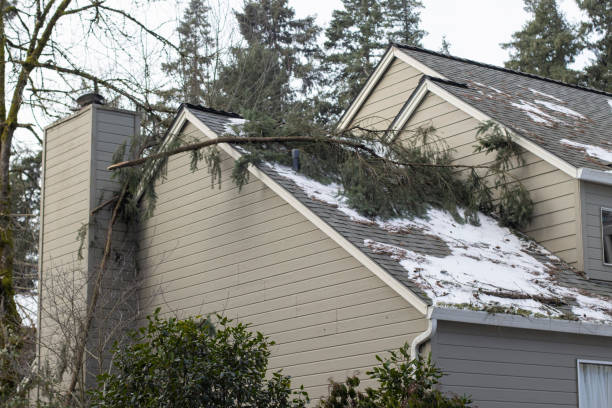
Strong storms can cause trees or large branches to fall onto roofs, creating holes or significant structural damage.
Large debris may also damage gutters, skylights, chimneys, and roof ventilation systems.
Fire Damage
Roof structures exposed to fire often become unstable, even if the damage appears limited. Immediate professional assessment is essential before entering the building.
Sudden Roof Leaks
Leaks may develop because of:
- Damaged flashing
- Broken roofing materials
- Clogged drainage systems
- Age-related wear
- Storm impacts
Water entering the property can quickly damage ceilings, walls, insulation, flooring, and electrical systems.
Structural Damage
Older buildings or roofs with long-term deterioration may experience unexpected structural failure, especially after heavy weather conditions.
Signs You Need Emergency Roofing Services
Not every roof problem requires emergency attention, but some warning signs should never be ignored.
These include:
- Water pouring through ceilings
- Large sections of missing roofing material
- Visible holes in the roof
- Sagging roof sections
- Roof collapse
- Fallen trees impacting the roof
- Smoke or fire damage
- Exposed roof decking
- Significant flashing failure during storms
If you notice any of these issues, immediate action is recommended.
What to Do During a Roofing Emergency
Knowing the correct steps to take can reduce additional damage while keeping everyone safe.
Prioritise Safety
Never climb onto a damaged roof during severe weather or immediately after an incident.
Avoid areas where:
- Ceilings are sagging
- Water is near electrical outlets
- Structural damage is visible
- Fire damage has occurred
If necessary, evacuate the affected area until it has been inspected.
Protect Interior Belongings
If water is entering the building:
- Move furniture away from leaks
- Remove valuable electronics
- Place containers beneath dripping water
- Protect flooring with waterproof coverings
These simple actions can minimise interior damage.
Reduce Water Damage
If safe to do so:
- Use towels or mops to absorb excess water.
- Remove standing water.
- Improve ventilation where possible.
Preventing moisture build-up also reduces the risk of mould growth.
Document the Damage
Take clear photographs of:
- Roof damage (if visible from the ground)
- Interior leaks
- Damaged ceilings
- Water stains
- Fallen debris
These records may assist during future repair planning or insurance claims.
Why Temporary Roof Protection Matters
One of the first priorities during emergency roof repairs is preventing further exposure to the elements.
Temporary protection methods may include:
Emergency Roof Tarping
Protective tarps help keep rain and debris out until permanent repairs can be completed.
Securing Loose Materials
Loose roofing materials can become dangerous during high winds and should be stabilised promptly.
Temporary Waterproofing
Emergency sealing methods may be used to slow or stop water infiltration until full repairs begin.
These temporary measures reduce the likelihood of additional structural damage.
How Professional Emergency Roofing Services Help
Professional roofing specialists follow a systematic approach when responding to emergencies.
Initial Safety Assessment
The roof is inspected for:
- Structural stability
- Active leaks
- Storm damage
- Fire damage
- Hazardous areas
Safety always comes first before repair work begins.
Damage Inspection
A detailed inspection identifies:
- Roof covering damage
- Flashing problems
- Water entry points
- Gutter damage
- Ventilation issues
- Structural concerns
This assessment helps determine the most effective repair strategy.
Immediate Repairs
Depending on the situation, emergency work may include:
- Leak sealing
- Temporary roofing installation
- Flashing repairs
- Debris removal
- Drainage clearing
- Waterproof coverings
These repairs are intended to stabilise the roof quickly.
Permanent Repair Planning
Once the emergency has been controlled, permanent repairs or roof replacement can be scheduled if necessary.
How to Minimise Future Roof Emergencies
While emergencies cannot always be prevented, regular maintenance significantly reduces the risk.
Schedule Regular Roof Inspections
Professional inspections can identify:
- Loose roofing materials
- Cracked flashing
- Blocked gutters
- Worn sealants
- Early leak signs
Addressing small issues early often prevents larger emergencies.
Keep Gutters Clean
Blocked gutters can cause water to overflow onto roofing materials, increasing the likelihood of leaks and structural deterioration.
Regular cleaning improves water drainage during storms.
Trim Nearby Trees
Overhanging branches pose a major risk during strong winds.
Routine tree maintenance reduces the chance of branches falling onto the roof.
Replace Damaged Roofing Materials Promptly
Ignoring cracked tiles, damaged shingles, or deteriorated flashing allows water to enter the roofing system over time.
Early repairs are generally less disruptive than emergency repairs.
Mistakes to Avoid During Roof Emergencies
Property owners sometimes make decisions that increase the severity of roof damage.
Avoid these common mistakes:
See also: Best Business Flights to Delhi for Comfortable Luxury Travel
Ignoring Small Leaks
Even a slow drip may indicate hidden structural damage beneath the roof surface.
Attempting Unsafe Repairs
Climbing onto a wet, unstable, or damaged roof without proper equipment can result in serious injury.
Delaying Professional Assessment
Temporary improvements should never replace a full roof inspection after severe weather or major damage.
Waiting Until the Next Storm
Damage often becomes significantly worse during the next rainfall if repairs are delayed.
Preparing for Future Roofing Emergencies
Planning ahead allows for a quicker response when emergencies occur.
Consider creating a simple emergency plan that includes:
- Safe evacuation procedures
- Emergency contact numbers
- Basic emergency supplies
- Waterproof coverings for valuable belongings
- Knowledge of your property’s main electrical shut-off points
Preparation helps reduce stress during unexpected situations.
When Should You Call for Emergency Roofing Services?
Professional emergency roofing services should be arranged immediately if your roof has suffered:
- Storm damage
- Major leaks
- Fallen tree impact
- Fire damage
- Structural collapse
- Significant wind damage
- Large areas of missing roofing material
Prompt action helps reduce repair costs while protecting both the building and its occupants.
Conclusion
Roof emergencies can occur at any time and often without warning. Whether caused by severe weather, falling debris, unexpected leaks, or structural damage, responding quickly is the best way to limit further property damage and maintain safety.
Understanding the warning signs, taking immediate protective measures, and relying on professional emergency roofing services ensures that urgent roofing issues are addressed efficiently. Regular inspections, preventative maintenance, and early repairs also play an important role in reducing the risk of future emergencies.
By staying prepared and acting promptly, property owners can better protect their homes or commercial buildings from the long-term effects of unexpected roof damage.